Nincs üzleti e-mail címe? Kattintson ide!


How to Choose LED Track Spotlight for Retail Stores: The Complete 2026 Buying Guide
Choosing the right LED track spotlight for a retail store is one of the most impactful decisions a lighting bu...
Az elmúlt években a világításvezérlő rendszerek nagy előrelépést tettek az új technológiák bevezetésével, lehetővé téve a világításvezérlés nagyobb pontosságát és rugalmasságát. Az egyik legérdekesebb ilyen technológia a DALI (Digital Addressable Lighting Interface), amely lehetővé teszi az egyes lámpák vagy lámpacsoportok komplex dimmelésének vezérlését. Ebben a cikkben közelebbről megvizsgáljuk a DALI dimmelést, annak előnyeit, és azt, hogyan javíthatja a világítási rendszer funkcionalitását és energiahatékonyságát. Ez a cikk a DALI-t bemutató cikkünk folytatása. fényerőszabályozás technológia.
A DALI fényerőszabályozás egy olyan világításvezérlő rendszer, amely digitális protokollokat használ a világításvezérlő és maguk a lámpák közötti kommunikációhoz. Ez lehetővé teszi az egyes lámpák fényerejének és színének pontos vezérlését. fények vagy fénycsoportok, valamint az előre programozott világítási helyzetek tárolása és előhívása. A DALI fényerőszabályozó rendszer jellemzően egy DALI-vezérlőből áll, amely parancsokat küld, valamint egy DALI-kompatibilis lámpából, amely képes fogadni és reagálni ezekre a parancsokra.
A DALI akkor működik a legjobban, ha az alapoktól kezdve tervezik és építik. Ennek oka, hogy az eszközök között két vezérlővonalra van szükség.
Oké, tegyük fel, hogy van egy csomó lámpa egy szobában, és egyszerre szeretné szabályozni a fényerejüket. Itt jön a képbe a DALI rendszer!
A DALI-rendszer olyan, mint egy nagy főnök, aki megmondja az összes lámpának, hogy mit kell tennie. Speciális jeleket használ, mintha egy főnök kiabálna parancsokat a lámpáknak. Ezek a jelek megmondják a lámpáknak, hogy mennyi energiát használjanak, és milyen fényerősségűek legyenek.
Minden egyes fény van egy különleges DALI-vezérlőnek nevezett számítógép, amely a DALI-rendszer jeleit figyeli. Amikor a DALI-rendszer jelet küld egy lámpának, a fény A DALI-vezérlő fogadja az üzenetet, és ennek megfelelően fényesebbé vagy halványabbá teszi a fényt.
Tehát amikor elfordítja a DALI fényerőszabályzó kapcsolót, az jelet küld a DALI-rendszernek. A DALI-rendszer ezután jelet küld a szobában lévő összes lámpának, amely megmondja, hogy milyen fényerővel kell világítaniuk. Így működik a DALI rendszer!
A DALI fényerőszabályozás népszerű világításvezérlési technológia, amely számos előnyt kínál a hagyományos analóg fényerőszabályozó rendszerekkel szemben, például pontosságot, energiahatékonyságot, skálázhatóságot és egyszerű integrálhatóságot más épületautomatizálási rendszerekkel szemben. Íme a DALI-dimmelés előnyei:
A DALI fényerőszabályozás hatékony és rugalmas világításvezérlési technológia, amely számos előnyt kínál a hagyományos analóg fényerőszabályozó rendszerekkel szemben. Pontossága, energiahatékonysága, skálázhatósága és más épületautomatizálási rendszerekkel való integrálhatósága miatt jól alkalmazható a legkülönbözőbb területeken. alkalmazások kereskedelmi, ipari és lakóépületekben.
Azonban, mint minden technológiának, a DALI fényerőszabályozásnak is megvannak az előnyei és hátrányai. Nem mindig minden olyan egyszerű, mint ahogyan azt hirdetik. Íme a DALI-dimmelés néhány hátránya:
A DALI ezért drágább és bonyolultabb telepítésű lehet, és speciális képzést és szakértelmet igényel. Ezenkívül nem minden lámpatest kompatibilis a DALI fényerőszabályozó rendszerekkel, és nem biztos, hogy minden kiskereskedőnél széles körben elérhető. Gondosan mérlegelje igényeit és költségvetését, mielőtt eldönti, hogy a DALI-dimmelés megfelelő-e az Ön számára.
A DALI az 1980-as évek végén és az 1990-es évek elején jött létre, amikor egy csoportnyi világítástechnikai gyártók, tudósok és mérnökök közösen dolgoztak egy szabványosított digitális kommunikációs protokoll kifejlesztésén a világításvezérléshez.
DALI (digitális címezhető világítási interfész) a fényerőszabályozás viszonylag új technológia a világításvezérlő rendszerekben, de története évtizedekre nyúlik vissza. Az európai előtétgyártók kezdeményezték. Az ötlet lényege, hogy a 0/1-10V-os dimmelés egy jobb változatát készítsék el azáltal, hogy a vezérlőrendszer kétirányú jelet küld minden egyes LED-meghajtónak és eszközcsoportnak. A 0-10V vezérlés csak egyirányú kommunikációt tesz lehetővé.
1998-ban a Nemzetközi Elektrotechnikai Bizottság (IEC) közzétette a DALI-szabvány első változatát, a DALI 1.0-ás változatot. Ez a szabvány meghatározta a DALI-rendszerek protokolljait és elektromos jellemzőit, lehetővé téve a különböző gyártók közötti átjárható termékek kifejlesztését.
A következő években a DALI-szabványt frissítették és finomították, hogy olyan új funkciókat tartalmazzon, mint a több vezérlőeszköz támogatása, a biztonság javítása és a nagyobb skálázhatóság. 2012-ben az IEC közzétette a DALI1 szabvány legújabb, IEC 62386 néven ismert változatát, amelyet ma már széles körben használnak a világítástechnikai iparban.
Az első DALI-szabvány közzététele óta a technológia népszerűsége gyorsan nőtt, és ma már széles körben használják a következőkben kereskedelmi és közterületek. A DALI fényerőszabályozás különösen népszerű az energiahatékony épületekben, ahol a világítási szintek pontos szabályozása segíthet az energiafogyasztás és a költségek csökkentésében.
A DALI2 (2020) a DALI protokoll legújabb változata, amely az eredeti DALI protokollra épül és azt továbbfejleszti.
A DALI és a DALI2 közötti egyik fő különbség az egy rendszerhez csatlakoztatható eszközök száma. Az eredeti DALI protokoll legfeljebb 64 eszközt tesz lehetővé, míg a DALI2 protokoll akár 512 eszközt is. Ez azt jelenti, hogy a DALI2 nagyobb számú lámpát és egyéb eszközt vezérelhet egyetlen rendszerben.
A második különbség a funkcionalitás. A DALI2 olyan további funkciókat kínál, mint a világítási jelenetek, a CCT-világítás és az RGB-világítás. A DALI2 emellett jobban támogatja az érzékelőket és más eszközöket, így fejlettebb vezérlést és automatizálást tesz lehetővé.
A biztonság tekintetében a DALI2 olyan továbbfejlesztett biztonsági funkciókat is kínál, mint a biztonságos firmware-frissítések, a biztonságos kulcscsere és a kommunikáció titkosítása. Ezáltal a DALI2 ellenállóbbá válik a hackerekkel és más biztonsági fenyegetésekkel szemben.
Összességében a DALI2 az eredeti DALI protokollhoz képest továbbfejlesztett, fejlettebb funkciókat, nagyobb skálázhatóságot és nagyobb biztonságot kínál. Emellett visszafelé kompatibilis a DALI-val, így az eredeti DALI protokollt használó eszközök továbbra is használhatók a DALI2 rendszerben.
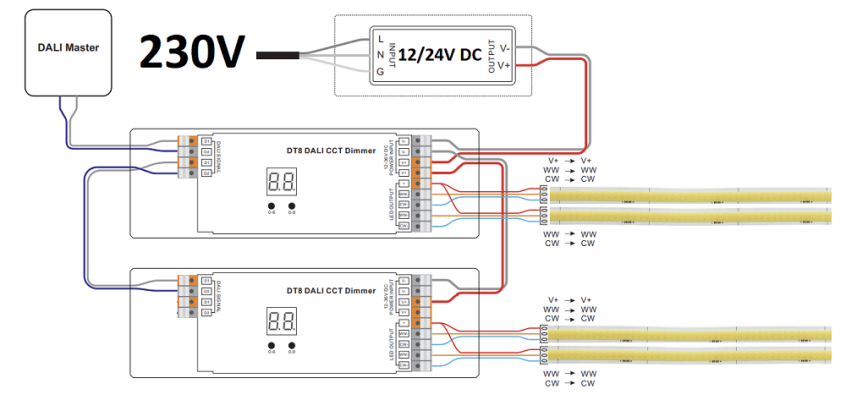
A DT6-led transzformátornak DALI-címre van szüksége a LED egyik színének fényerejének beállításához.
A DT8 parancsokat és funkciókat csak színvezérlésre használják, de a DT6 funkciók bármilyen DALI LED-meghajtóval használhatók.
A színváltó LED-meghajtókhoz használhatja a 207-es, a 209-es alkatrészt vagy mindkettőt.
Egy DALI-cím tetszőleges számú DT8 LED-vezérlőt vezérelhet. Ez lehetővé teszi a szín a fény hőmérséklete és fényereje egyetlen címről vezérelhető. A DT6 minden színhez külön címet igényel.
DT6 LED-vezérlők 207. rész
DT8 színszabályozó készülékek 209. rész
A DALI első verziója nem játszott jól más rendszerekkel. Azért nem működött, mert a protokoll túl szűk volt, és sok különböző vállalat próbálta javítani azt olyan funkciók hozzáadásával, amelyek nem működtek jól együtt.
A DALI2-vel ez a probléma megoldódott. A DALI2 átfogóbb és több funkcióval rendelkezik, mint elődje. Ez azt jelenti, hogy egyes gyártók már nem tudnak változtatásokat eszközölni a DALIii-n, és minden DALI2 eszköznek meg kell felelnie az IEC62386 szabványoknak.
Ne feledje, hogy bár a DALI2 lehetővé teszi a régebbi DALI komponensek használatát is, nem tud mindent megtenni, amit a DALI2-vel megtehet, mivel a régebbi DALI-eszközök korlátozott parancsokkal rendelkeznek.
A DALI-berendezések szabványos LED fények. DALI vevőmodulokat és DALI transzformátorokat használnak. Ezeket a komponenseket DALI kétirányú digitális kommunikációs vezetékek kötik össze. A vezérlőközpont lehet bármi, a laptopoktól kezdve a csúcstechnológiás világításvezérlő pultig.
A nyomógombos parancsok fókuszálásával és beállításával egyetlen lámpát, lámpatestek csoportját vagy egy világítási zónát vezérelhet. Amikor a kapcsolót megfordítja, beprogramozhatja, hogy az ugyanabban a “csoportban” lévő összes lámpatest egyszerre kapcsoljon be vagy változtassa meg a színét.
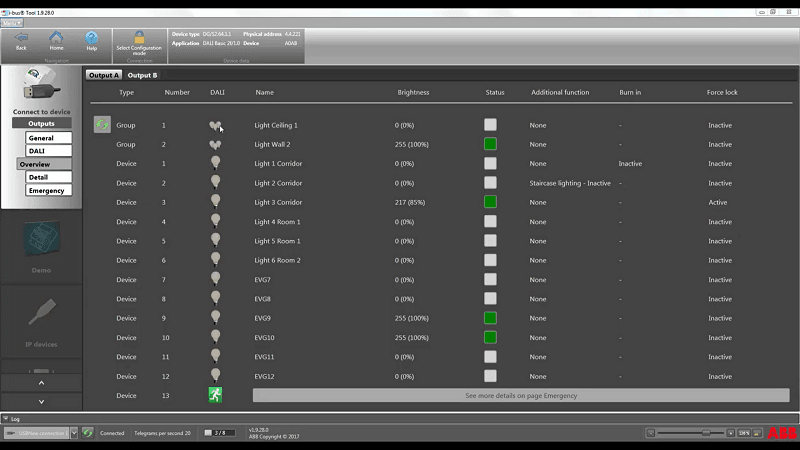
DALI (digitális címezhető világítási interfész) a fényerőszabályozás a világítás egy fajtája vezérlőrendszer, amely lehetővé teszi az egyes fények vagy fénycsoportok intenzitásának pontos szabályozását. A rendszer több kulcsfontosságú komponensből áll, többek között a következőkből:
DALI-mester: ezek az eszközök a rendszer központjaként működnek, és felelősek a lámpáknak küldött parancsokért. Általában egy interfészhez, például egy falra szerelt érintőképernyős panelhez vagy egy okostelefonos alkalmazáshoz kapcsolódnak, amely lehetővé teszi a felhasználók számára a világítási szintek beállítását.
DALI transzformátorok vagy vezérlők: ezek az eszközök a lámpák áramellátásának szabályozásáért felelősek, és általában magukba a lámpatestekbe vannak beépítve. A DALI-vezérlőtől kapják a parancsokat, és ennek megfelelően állítják be a fénykibocsátást.
DALI érzékelők: ezeket a készülékeket a környezeti világítás szintjét egy helyiségben, és a világítási szintek automatikus beállítására használható az optimális láthatóság és energiahatékonyság érdekében. Integrálhatók egy DALI-vezérlőbe, vagy különálló eszközként is telepíthetők.
DALI tápegység: a DALI tápegység olyan eszköz, amely a DALI-rendszer tápellátását biztosítja. Ez egy különálló alkatrész, amely a DALI-vezérlőhöz és a lámpákhoz csatlakozik.
DALI kommunikációs kábelek: ezek a kábelpárok kötik össze a DALI-rendszer különböző komponenseit.
Egy DALI rendszerben MINDEN eszköz és a busz tápegység egy kétvezetékes buszra csatlakozik, és megosztja egymással az információkat. Ez a kétvezetékes rendszer a világítási rendszer idegrendszere. Minden jelet küld és fogad a vezérlőtől a lámpákhoz és vissza. Így mindig tudja az eszköz állapotát az eszközillesztőből vagy a szoftverből.
A DALI-busznak áramellátással kell rendelkeznie az eszközök közötti adatátvitelhez. Körülbelül 16 V-ot használ. Ezeket az eszközöket DALI tápegységeknek nevezik, vagy sok esetben a DALI-mester a jelkábelek tápegységeként is működik.
Mint korábban említettük, a buszon mindössze két vezetékkel lehet digitális jeleket küldeni. A kábelek lehetnek pozitívan vagy negatívan polarizáltak. A legtöbb vezérlőeszköz mindkettővel működik. A DALI-rendszereket szabványos ötvezetékes kábelezéssel lehet bekötni, így nincs szükség különleges védelemre.
Mivel egy DALI-rendszerben nincs szükség vezetékcsoportokra, az összes vezetéket párhuzamosan csatlakoztathatja a buszhoz. Ez jelentős változást jelent a hagyományos világítási rendszerekhez képest, mivel a vezérlőből küldött parancsok tartalmazzák a lámpák bekapcsolásához, tompításához és színének megváltoztatásához szükséges összes információt.
Miután minden csatlakoztatva van, a Dali szoftver beállítható a rendszerrel való együttműködésre. Mivel a rendszer rugalmas, különféle világítási forgatókönyvek és programok a fizikai kábelezés megváltoztatása nélkül. A szoftvertől és a alkalmazások, ez a beállítás lehet könnyű vagy nehéz.
A DALI egy olyan világítástechnika, amely megváltoztatható és olcsó. Ez a fajta központosított világítási rendszer leggyakrabban nagy kereskedelmi létesítményekben található meg. A DALI-t elsősorban vállalatoknál és nagy létesítményekben használják. Az emberek azonban egyre inkább a legelőkelőbb otthonaikban is használják.
A DALI fényerőszabályozás egy hatékony és rugalmas világításvezérlési technológia, amely számos előnyt kínál a hagyományos analóg fényerőszabályozó rendszerekkel szemben. Telepítése és alkalmazása azonban drágább és összetettebb lehet, és speciális képzést és szakértelmet igényel. Ezenkívül nem minden lámpatest kompatibilis a DALI dimmelő rendszerekkel, és nem minden országban és régióban érhető el széles körben. Gondosan mérlegelje igényeit és költségvetését, mielőtt eldönti, hogy a DALI-dimmelés megfelelő-e az Ön számára.
Ismerjük a Led világítás irányítástechnika
A SUNME a LED szakértője világítás és világítástervezés megalapítása óta. Saját terméktervezéssel rendelkezünk, így termékeink technikailag a legfejlettebbek.
Szakterületünk hőmérséklet-szabályozott és magas színű renderelő berendezési tárgyak, így nagyszerűen működnek és sokáig tartanak. Körbe-körbe járunk. Több száz világítási tervet biztosítunk ügyfeleink helyszínei számára. További termékek megtekintése vagy a tervek megrendelése itt
Nincs üzleti e-mail címe? Kattintson ide!

A fájlokat 24 órán belül elküldjük Önnek!Nincs üzleti e-mail címe? Kattintson ide!
 EN EN
EN EN DE
DE ES
ES PT
PT FR
FR RU
RU AR
AR IT
IT TR
TR FI
FI SV
SV HU
HU NL EN EN DE ES PT FR RU AR IT TR FI SV HU NL